
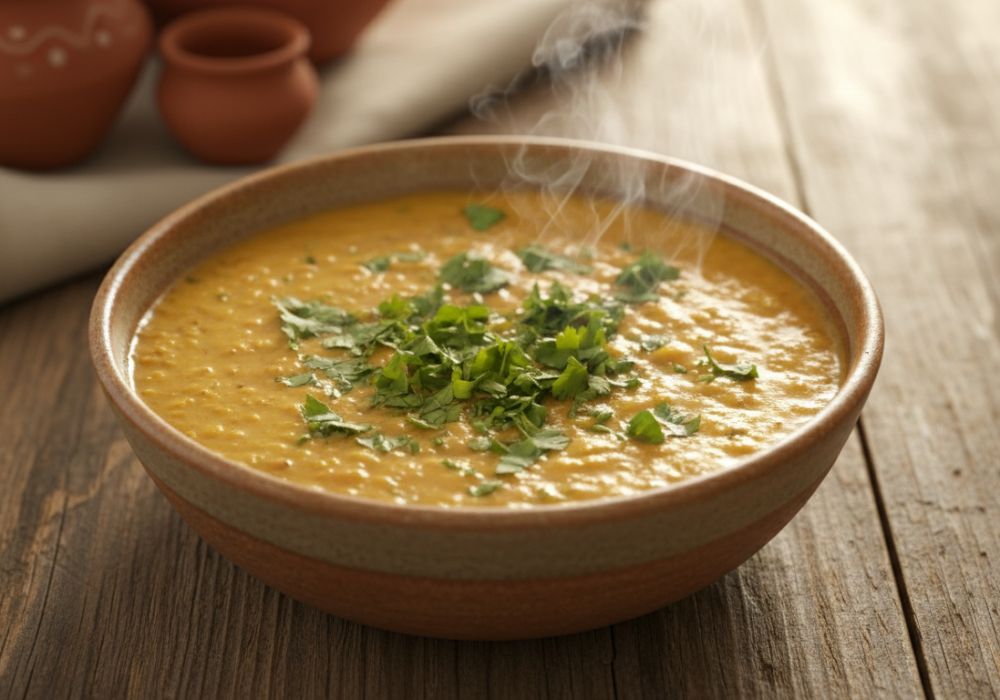
Experience the Warmth of Adad Ni Dal
Adad Ni Dal, a traditional Gujarati preparation of split black gram (urad dal), is a testament to the simplicity and profound flavors of Indian home cooking. Known for its creamy texture and comforting aroma, this dal is a staple in many Gujarati households. It's a naturally vegetarian, protein-packed dish that can be enjoyed with rice, roti, or as a hearty soup on its own.
Despite its rich taste, Adad Ni Dal is surprisingly easy to prepare, making it a perfect weeknight meal. Our recipe focuses on the core ingredients and a straightforward method, allowing the natural goodness of the dal to shine through.
Simple Ingredients for Authentic Flavor
The beauty of Adad Ni Dal lies in its use of common pantry staples to create something truly special. Here's what you'll need for this delicious Gujarati recipe:
- 1 cup Urad Dal: The star of the dish, split black gram without the skin.
- 2 tsp Oil: For tempering the spices.
- 1 tsp Mustard Seeds (Rai): Adds a delightful pop and nutty flavor.
- 1 tsp Cumin Seeds (Jeera): Essential for its earthy aroma.
- 1/2 tsp Asafoetida (Hing): A pinch of this enhances digestion and flavor.
- 1 tsp Salt: To taste.
- 1 tsp Turmeric Powder (Haldi): For color and its anti-inflammatory properties.
- 1 tsp Red Chili Powder: Adjust to your spice preference.
- 2 tsp Fresh Coriander (Hara Dhaniya): For garnish and a burst of freshness.
- Water: As needed for cooking the dal.
Easy Steps to a Delicious Meal
This recipe is designed for ease and efficiency, ensuring you get a flavorful meal on the table in about 30 minutes total!
- First, rinse the urad dal thoroughly under running water. Then, soak it for at least 10-15 minutes while you prepare the other ingredients. This helps the dal cook evenly.
- In a pan, heat the oil over medium heat. Once hot, add the mustard seeds and allow them to splutter. Then, add the cumin seeds and let them sizzle until fragrant.
- Quickly add the asafoetida and turmeric powder to the tempering. Be careful not to burn them.
- Drain the soaked dal and add it to the pan along with enough water to cover it generously. Add the salt.
- Bring the mixture to a boil, then reduce the heat to low, cover, and let it simmer for 15-20 minutes, or until the dal is tender and cooked through. Stir occasionally to prevent sticking.
- Once the dal is cooked, stir in the red chili powder. Mix well and let it simmer for another minute to allow the flavors to meld.
- Garnish generously with freshly chopped green coriander before serving.
Serving Suggestions and Tips
Adad Ni Dal is incredibly versatile. It pairs wonderfully with steamed basmati rice or hot, fresh rotis. For a complete Gujarati thali experience, serve it alongside a dry vegetable curry, some fresh yogurt, and pickles. You can also thicken it slightly and enjoy it as a comforting soup.
Cooking Tip: If you prefer a smoother dal, you can lightly mash some of the cooked dal against the side of the pan with a spoon before serving. This will thicken the consistency slightly. For a touch of tang, some people like to add a squeeze of lemon juice at the end, although it's not traditional for this specific recipe.
More recipes from YourCookLab
Explore more recipes and cooking ideas from the YourCookLab collection: